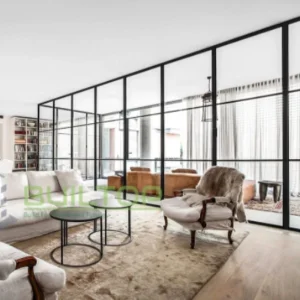
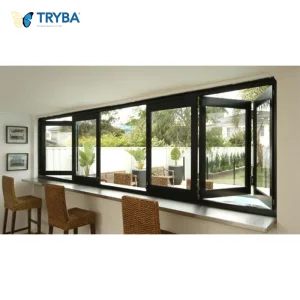
Explore our elite selection of customizable thermal break systems, soundproof acoustic window configurations, and high-performance safety structures designed for high-stress architecture.
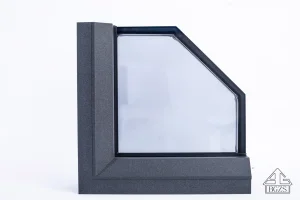
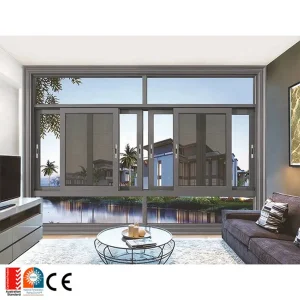
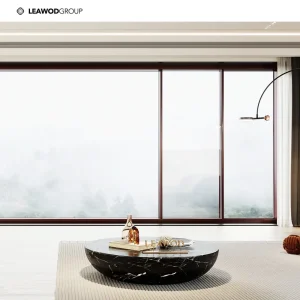

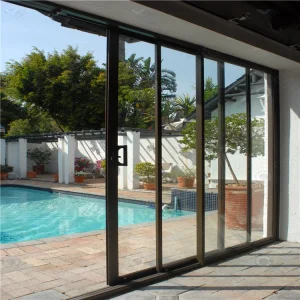
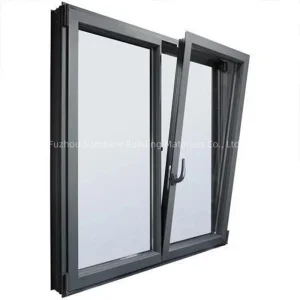
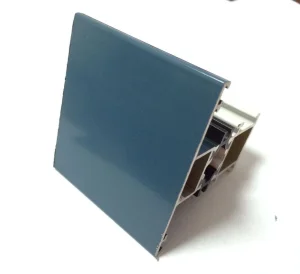
A technical deep-dive into the thermodynamic and safety metrics of industrial tempered glass production for smart city infrastructures.
The contemporary building envelope demands structural materials that optimize safety, energy efficiency, and design flexibility. As a premier hub for global architecture, China's wholesale tempered glass manufacturing sector has transitioned from high-volume output to state-of-the-art precision processing. Under modern regulatory frameworks such as EN 12150-1 and ASTM C1048, tempered glass must exhibit dynamic surface compression exceeding 90 MPa (13,000 PSI) to mitigate thermal stress fracture risks and high wind-loads.
By using premium float glass substrates (such as low-iron silica or tinted stocks), Chinese fabrication facilities apply advanced thermal toughening methods. The glass is heated to approximately 620°C in electric horizontal convection furnaces and subsequently blasted with pressurized air streams (quenching). This induces permanent compressive stresses on the outer surfaces while the core remains in tensile stress, transforming standard float glass into a high-strength substrate capable of resisting impact forces five times greater than annealed equivalents.
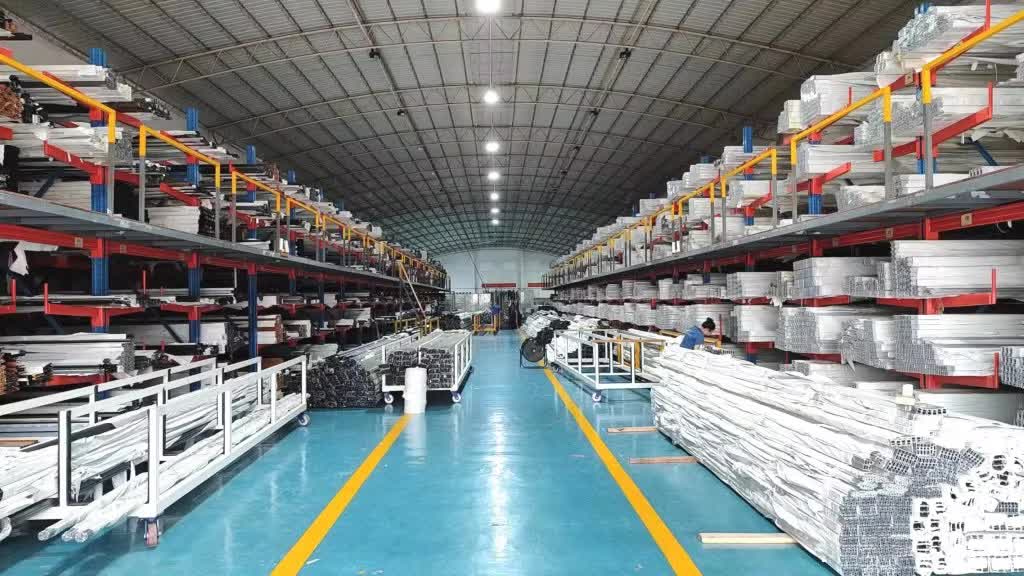
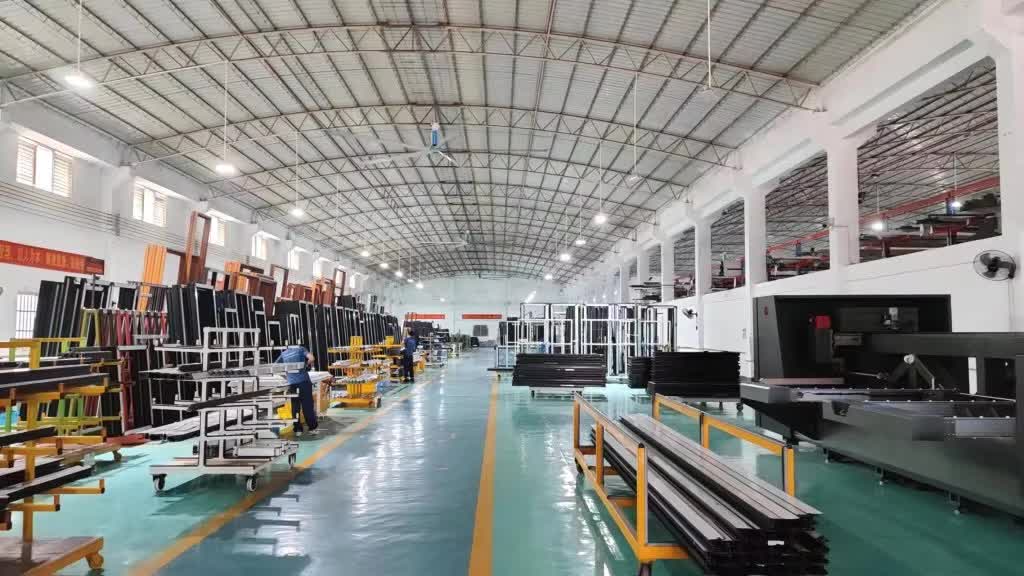
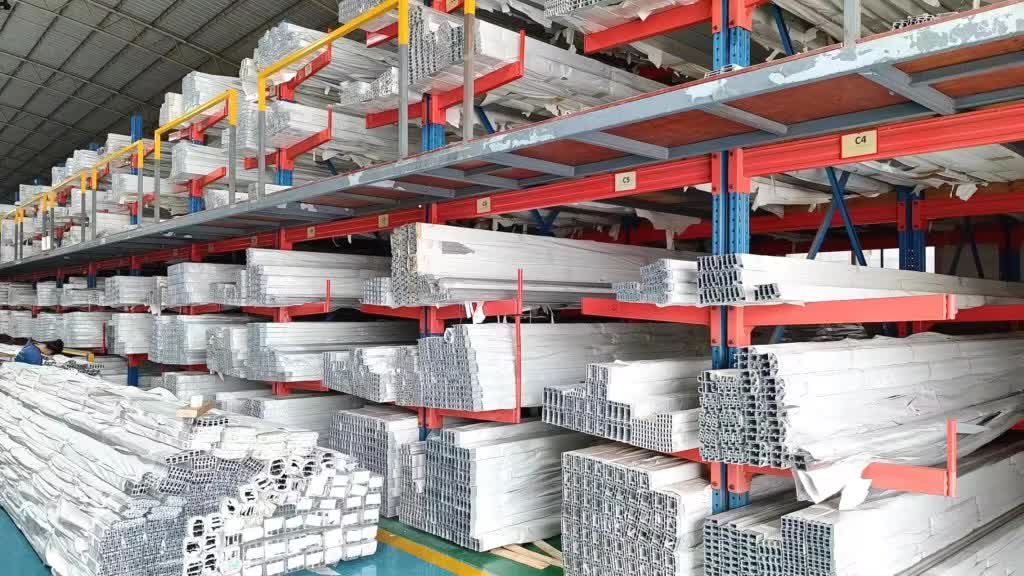
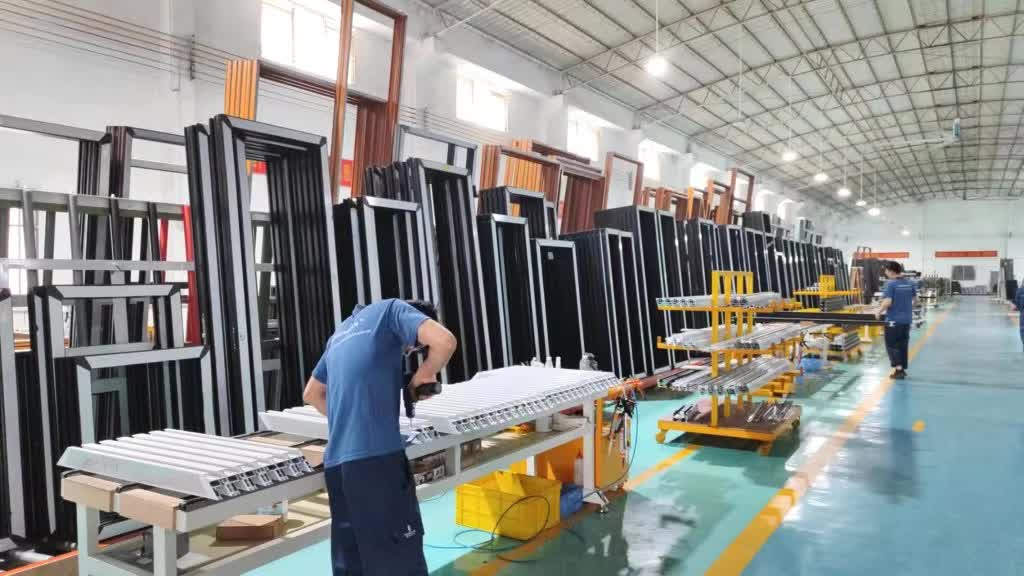
Bridging Chinese manufacturing capacity with German precision hardware and energy-efficiency compliance frameworks.
Since its founding, Magella has been committed to research and development, innovating aluminum windows, doors as well as related solutions, and services. We always adhere to the enterprise philosophy of "Hard working and Integrity, Innovation and Success". Furthermore, after years of efforts, now we’ve had our own completed sales system from Research, development to production and marketing.
By establishing localized supply nodes, we integrate glass toughening, laminating, and insulating production lines into our structural aluminum profile milling centers. This enables seamless quality oversight, from raw float glass selection to final double or triple insulated glazed unit (IGU) packaging.
Magella keeps innovating by combining Chinese regular designs with advanced German system engineering. We always try our best to find the most suitable customized solutions for different style buildings by cooperating closely with TOP BRANDS companies, such as:
Our products can be divided into 3 major categories: Aluminum windows, doors and Sunroom (Patio). They are further subdivided into over 12 specialized classes:
Why architectural procurement firms, engineering contractors, and real estate developers source from Chinese glass hubs.
Proximity to major high-grade silica sand mines and large float glass production facilities (such as Xinyi, XYG, and CSG) guarantees stable substrate supply chains with consistent chemistry, minimizing impurities like nickel sulfide (NiS).
Modern Chinese tempering factories utilize top-tier machinery, including Glaston (Finland) and Landglass convection tempering furnaces, Bystronic (Switzerland) automated cutting tables, and Lisec (Austria) insulating glass assembly lines.
Adherence to strict quality management is standard, featuring in-house Heat Soak Testing (HST) chambers to eliminate spontaneous explosion risks, spectrophotometer inspections for Low-E performance, and automated defect detection scanners.
Decarbonization, high-performance insulation, and smart architectural integration are driving new engineering standards.
To combat climate change and satisfy green building criteria (such as LEED or BREEAM), modern construction relies heavily on high-performance coatings. By applying microscopically thin layers of silver or other metal oxides onto float glass surfaces via Magnetron Sputtered Vacuum Deposition (MSVD), factories manufacture Low-E glass that blocks long-wave infrared energy while allowing visible light transmission (VLT). When integrated into double-glazed assemblies filled with argon gas, these units achieve U-values below 1.1 W/m²K, minimizing heat gain in summer and thermal loss in winter.
The integration of Polymer Dispersed Liquid Crystal (PDLC) laminates between tempered glass panes allows architectural glasing to transition from opaque to transparent in milliseconds via electrical currents. This smart active design replaces traditional window treatments in modern boardrooms, high-end residential master suites, and exterior facades. When combined with light and temperature sensors, it helps reduce HVAC loads by adjusting transparency according to solar intensity.
As industrial processing aligns with ESG policies, leading Chinese tempered glass factories are adopting electric convection tempering processes powered by rooftop solar grids. Scrap glass recycling loops, water treatment systems, and the utilization of biodegradable packaging help significantly lower the embodied carbon footprint of the structural materials shipped overseas.
From coastal hurricane zones to high-traffic commercial zones, we tailor glass characteristics to mechanical and structural demands.
| Application Scenario | Recommended Glass Configuration | Primary Technical Objective | Compliance Reference |
|---|---|---|---|
| Coastal Custom Villas | 12mm Tempered + 1.52mm SentryGlas (SGP) + 12mm Tempered Double Glazed | Hurricane wind load resistance, zero delamination, acoustic attenuation. | ASTM E1996 / AS2047 |
| Commercial Façades | 8mm Low-E Tempered + 12Argon + 8mm Clear Tempered | Optimized Solar Heat Gain Coefficient (SHGC < 0.25), structural rigidity. | EN 12150 / SGCC |
| Interior Balustrades & Stairs | 6mm + 1.52PVB + 6mm Clear Tempered Laminated Glass | Post-breakage retention, fall protection, optical clarity. | AS/NZS 2208 / ANSI Z97.1 |
| Hotel Folding Doors | 5mm Tempered + 9A + 5mm Tempered Insulated Glass with Internal Blinds | Acoustic barriers, dust-proof privacy, low maintenance. | GB 15763.2 |
Residential projects demand high optical transmittance paired with robust soundproofing. Combining custom double-glazed configurations with thermal break frames ensures villas located near busy highways or in extreme climates maintain quiet and comfortable interior environments. The use of safety tempered panels protects active households from accidental impacts.
Overhead glazing requires mandatory laminated configurations. If glass fragments break under thermal stress, the polymer interlayers (PVB or SGP) hold the particles in place, avoiding debris falls. Tempering ensures these panes resist high snow and maintenance point loads.
Step-by-step technical processing demonstrating high-quality craftsmanship, safe handling, and durable export packaging.
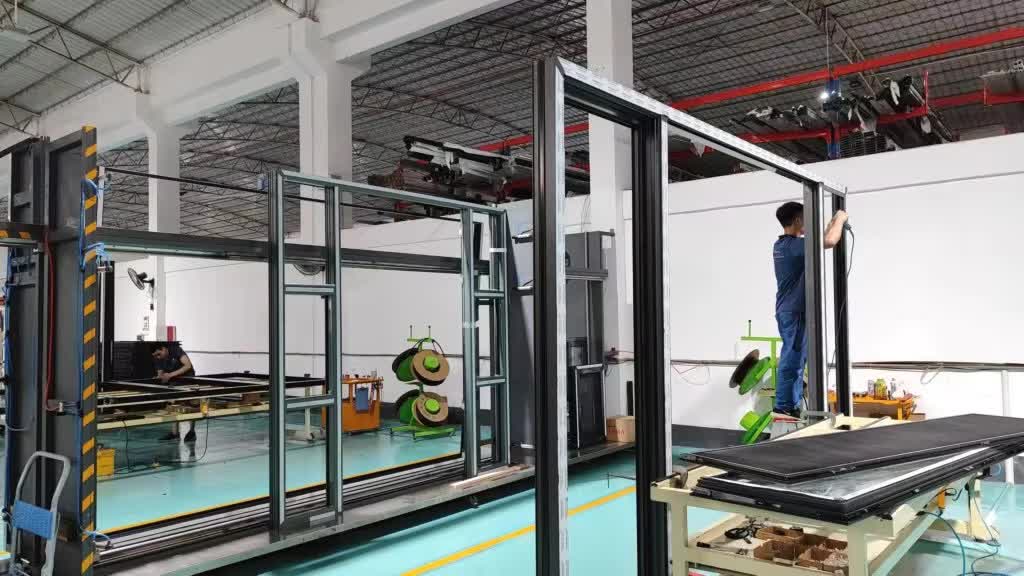
Continuous mechanical load, optical flatness, and edge stress verification.
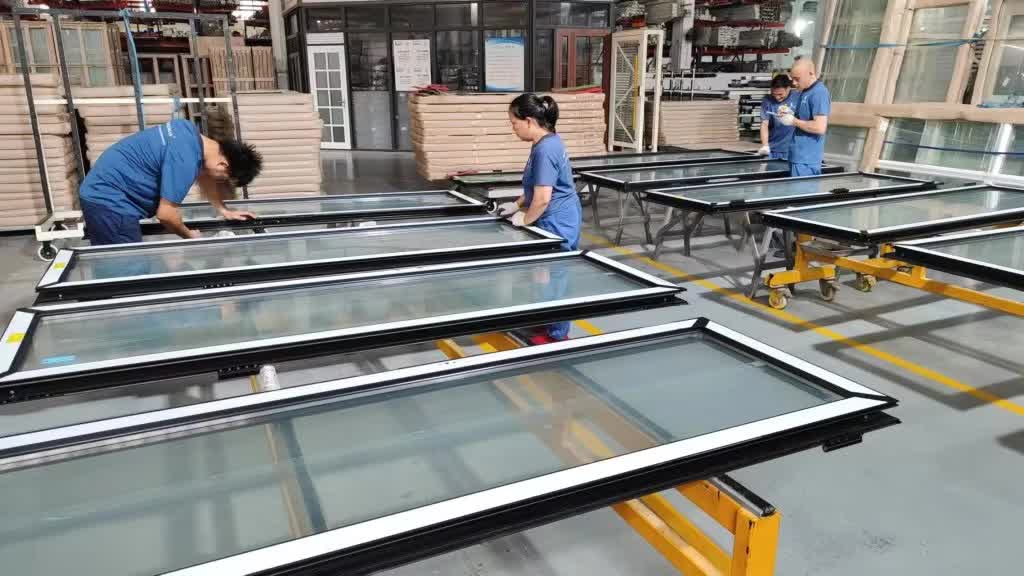
Automated laser scanners detect micro-scratches, bubbles, and coating issues.
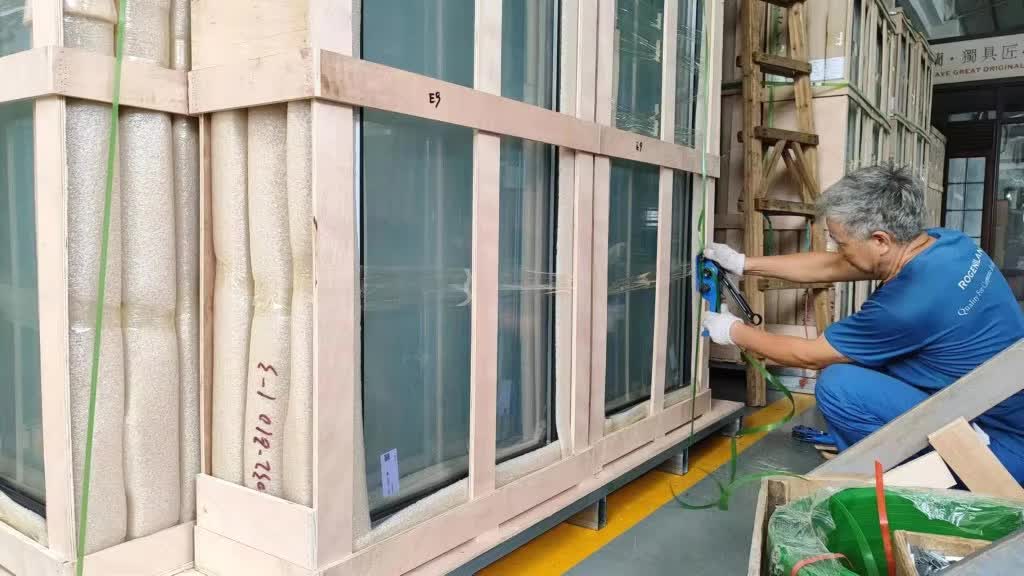
Using custom cork spacers and plastic wrap inside thick plywood crates.
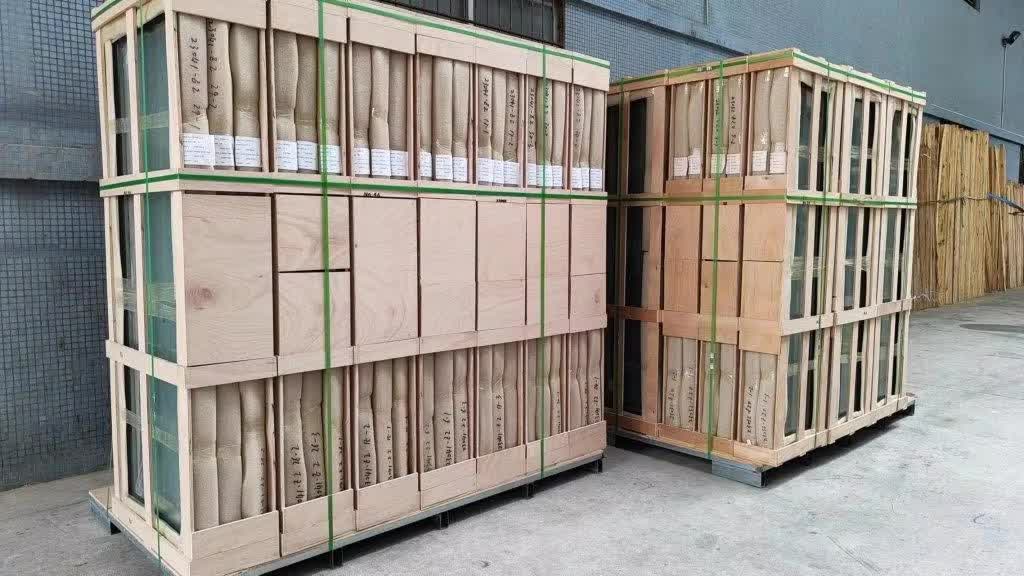
Secure container reinforcement with steel strapping prevents movement in transit.
Accurate answers to engineering, quality standards, and logistics inquiries from procurement professionals.
Discover our comprehensive range of high-performance sliding configurations, commercial entrances, and sound-insulating structural units.
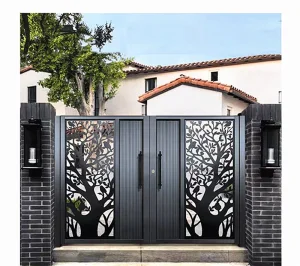
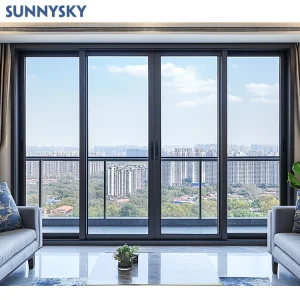
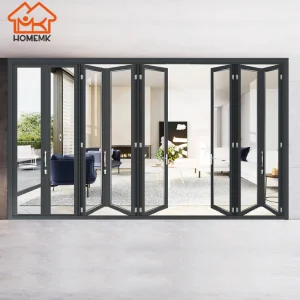
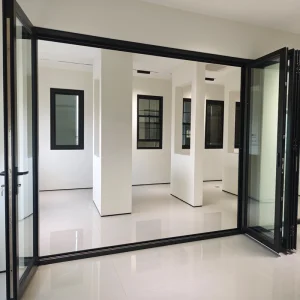
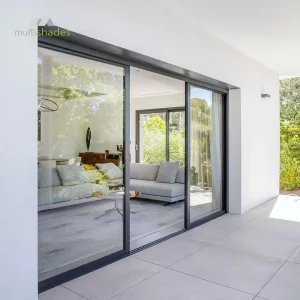
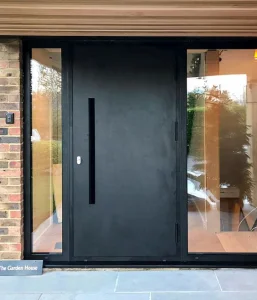
 Magella Door