China Wholesale Laminated Glass Factory & Supplier

Architectural Safety, High Performance Acoustic Mitigation, and Engineered Structural Integrity for Global Developments.

Global Procurement Dynamics & Laminated Glass Industry Trends

In modern architectural engineering, the specification of glazed facades, structural balustrades, and overhead skylights must respond to evolving building regulations. Laminated glass, composed of two or more sheets of glass bonded with an elastomeric interlayer (typically PVB or SGP), has transitioned from an optional safety upgrade to a baseline statutory requirement. This is driven by rigorous building safety codes globally, including ASTM C1172 (Standard Specification for Laminated Architectural Flat Glass) in North America, EN 14449 in the European Union, and AS/NZS 2208 in Oceania.

"The modern building envelope is no longer just a physical barrier. It must actively manage solar radiation, mitigate acoustic transmissions, and guarantee structural resilience against extreme windload and impact events."

Strategic B2B buyers—ranging from facade engineers and construction procurement firms to window manufacturers—look beyond basic unit pricing. They prioritize supply chain reliability, manufacturing tolerances, thermal efficiency indices, and compliance certifications. The current global sourcing trend centers on low-emissivity (Low-E) laminated double-glazed units (DGUs) that provide thermal insulation alongside structural safety.

Core Interlayer Dynamics: PVB vs. Ionoplast (SGP)

Selecting the correct interlayer chemical structure is critical to structural performance and durability under load:

  • Polyvinyl Butyral (PVB): The industry standard for safety glass. It provides excellent adhesion to glass, acoustic dampening, and blocks over 99% of UV radiation. It is widely used in residential windows, interior partitions, and standard double-glazed facade systems.
  • SentryGlas® Plus (SGP): An ionoplast interlayer engineered for high-performance architectural applications. SGP is five times stronger and up to 100 times stiffer than standard PVB. It maintains structural integrity even if both glass plies break, making it the preferred choice for hurricane-resistant facades, overhead skylights, and structural glass balustrades.
Property Standard PVB Interlayer SGP Ionoplast Interlayer Acoustic PVB Interlayer
Tensile Strength ~20 MPa ~34.5 MPa ~15 MPa
Elongation Limit >250% >400% >300%
Shear Modulus (at 50°C) Low (<1 MPa) High (~12 MPa) Very Low
Post-Breakage Behavior Collapses under load Retains structural capacity Collapses under load
Primary Applications Safety glazing, doors Structural balustrades, hurricane zones Acoustic partitions, hotel glazing

Technological Features & System Integration

Why architectural engineering firms select China's advanced manufacturing capabilities for scale projects.

Hurricane & Impact Resistance

Specially engineered for hurricane corridors. Our SGP structural laminated panels withstand severe windborne debris impacts, satisfying the high-velocity hurricane zone (HVHZ) building envelopes.

Acoustic Attenuation

Multilayer acoustic PVB cores reduce ambient sound transfer by up to 45dB (STC ratings up to 48), ideal for urban developments, airport hotel developments, and internal office partitions.

Thermal Insulation & Low-E

By pairing laminated glass with magnetron sputtered Low-E coatings inside a double-glazed unit (DGU), we achieve low U-factors (under 1.1 W/m²K) to meet energy conservation requirements.

Manufacturing Capacities & Performance Indices

High volume fabrication backed by German components and stringent quality validation.

100%
Quality Checked
12+
Subcategories
<0.1%
Delamination Rate
TOP
German Hardware Systems

Magella's Manufacturing Excellence & Core Philosophy

Since its founding, Magella has been committed to research and development, innovating aluminum windows, doors as well as related solutions, and services. We always adhere to the enterprise philosophy of "Hard working and Integrity, Innovation and Success". Furthermore, after years of efforts, now we've had our own completed sales system from Research, development to production and marketing.

Magella keeps innovating by combining Chinese regular designs with advanced German systems. We always try our best to find the most suitable customized solutions for different style buildings by cooperating closely with TOP BRANDS companies, such as: German HOPPE, SIEGENIA AUBI, ROTO, KINLONG, BOGO, and OAOSM.

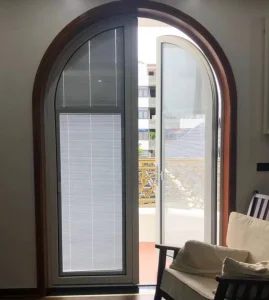
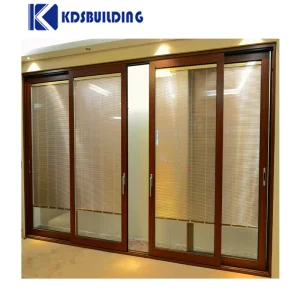
Our products can be divided into 3 major categories: Aluminum windows, doors and Sunrooms (Patio). Also, our product portfolio is subdivided into over 12 specialized categories: Thermal break windows, bi-folding doors, narrow frame sliding doors, hanging sliding doors, heavy-duty sliding doors, casement doors, sliding windows, casement windows, thermal break sliding doors, lifting windows, sunrooms, and blind (shutter) doors. By configuring with double-glazing, all windows and doors can be installed with integrated shutters or smart switchable privacy glass inside, ensuring excellent privacy protection alongside thermal performance.
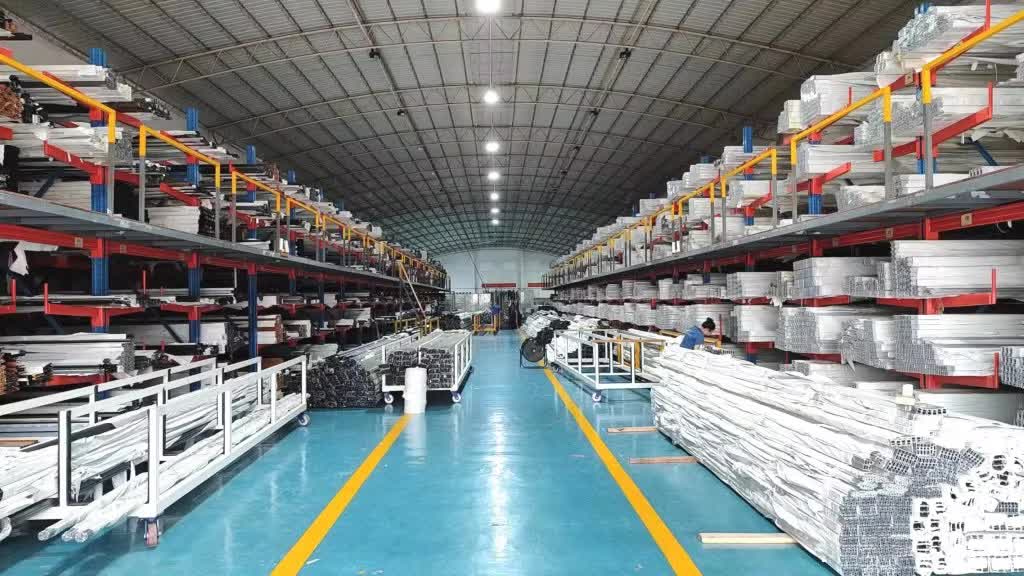
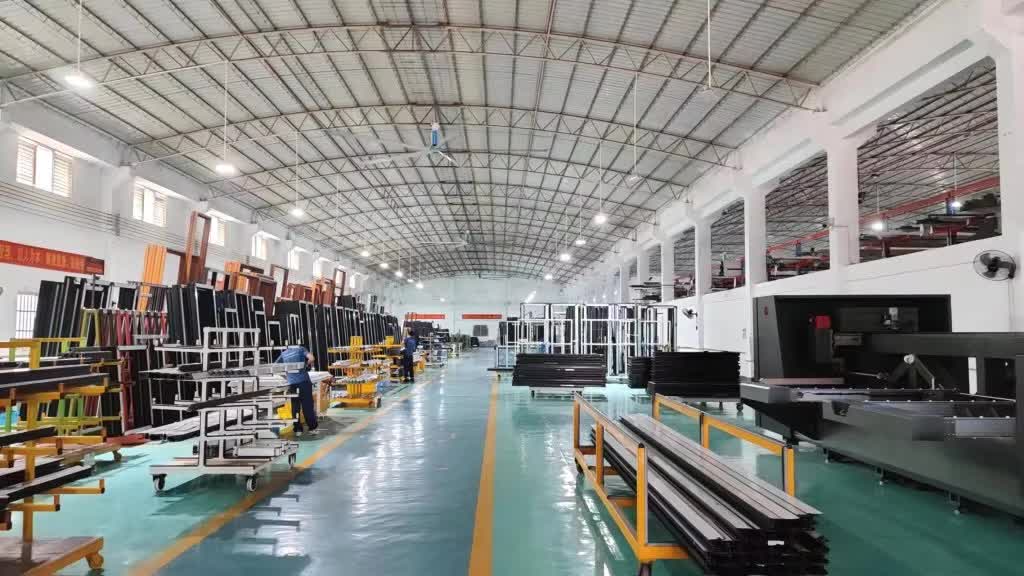
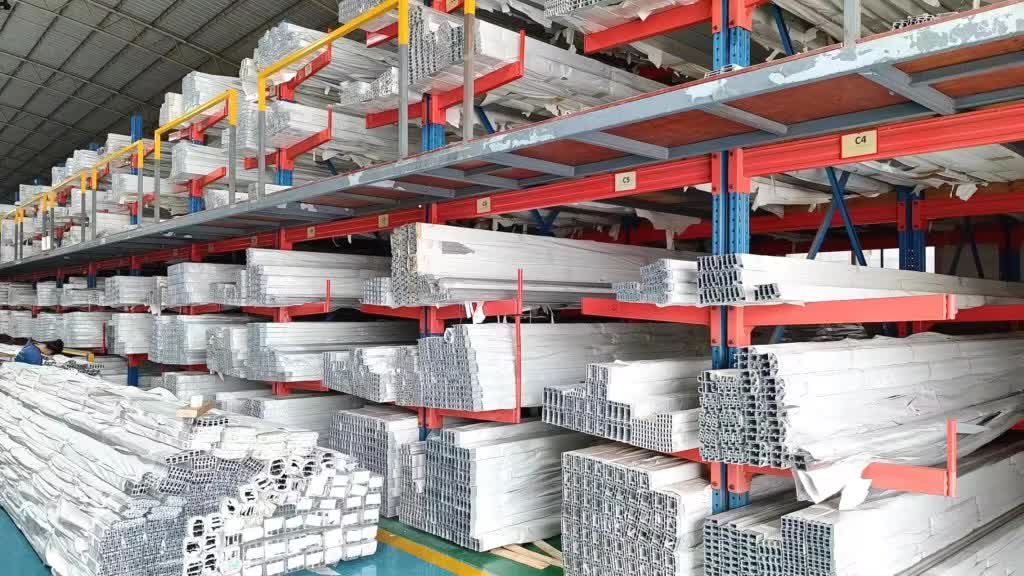
Magella Factory Plant Structure
Production Plant
Precision Extrusion Machine
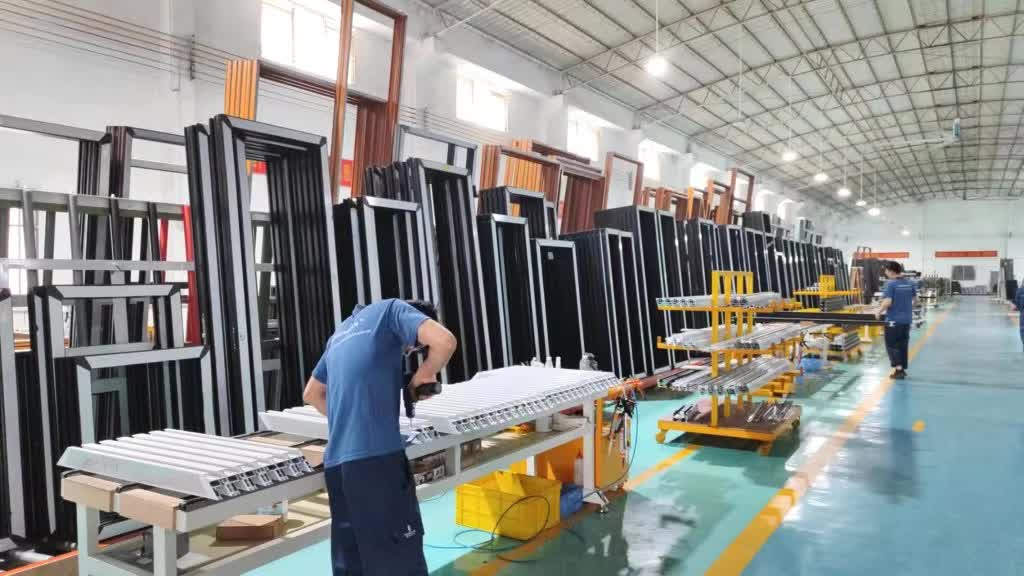
Manufacturing Line
Profile Assembly Area
Assembly Workshop
Quality Management System
Process Control

Strict Testing, Inspection, and Sea-Freight Packaging

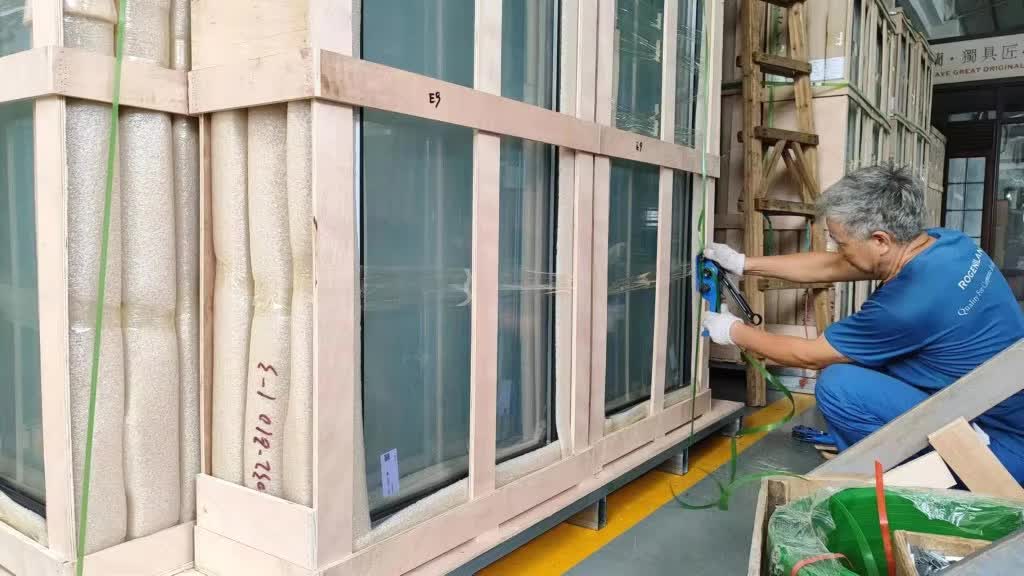
To ensure high quality, every glass and framing unit undergoes validation before leaves the factory. This includes verifying mechanical tolerances, profile wall thickness, water tightness, wind pressure resistance, and structural integrity of the laminated glass units.
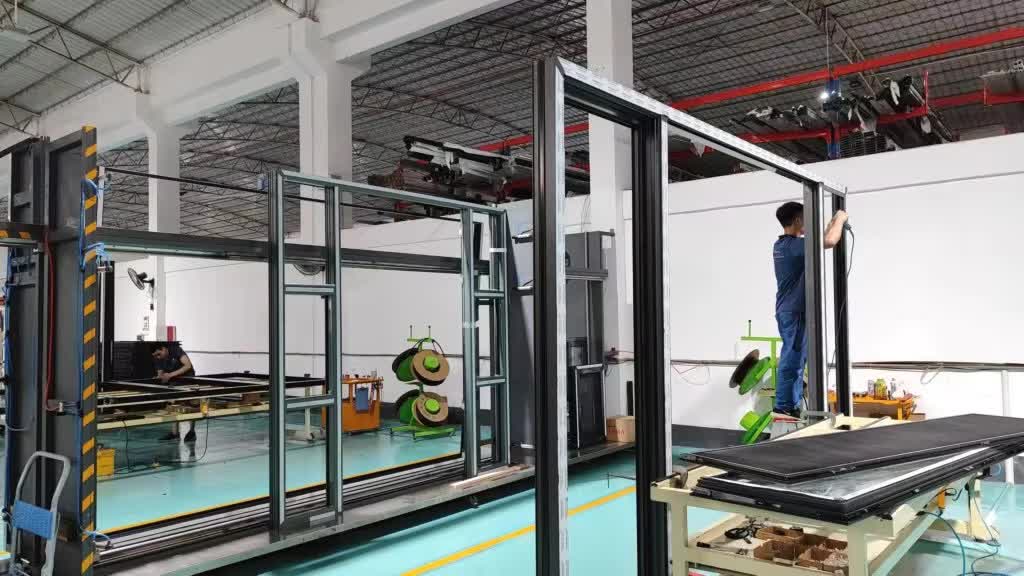
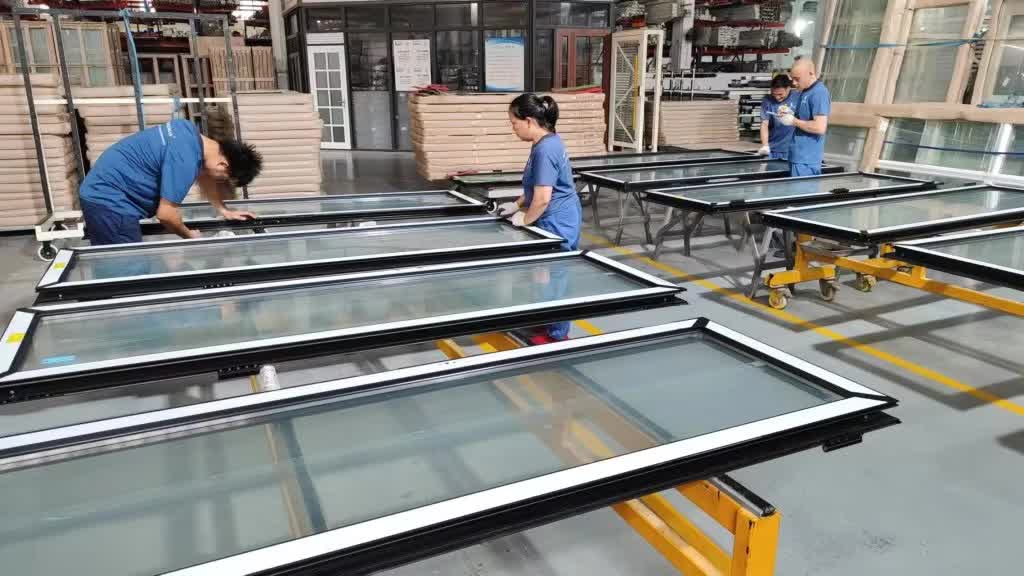
Glass Testing Area
Testing
Inspection and Packing Procedures
Inspection & Packing
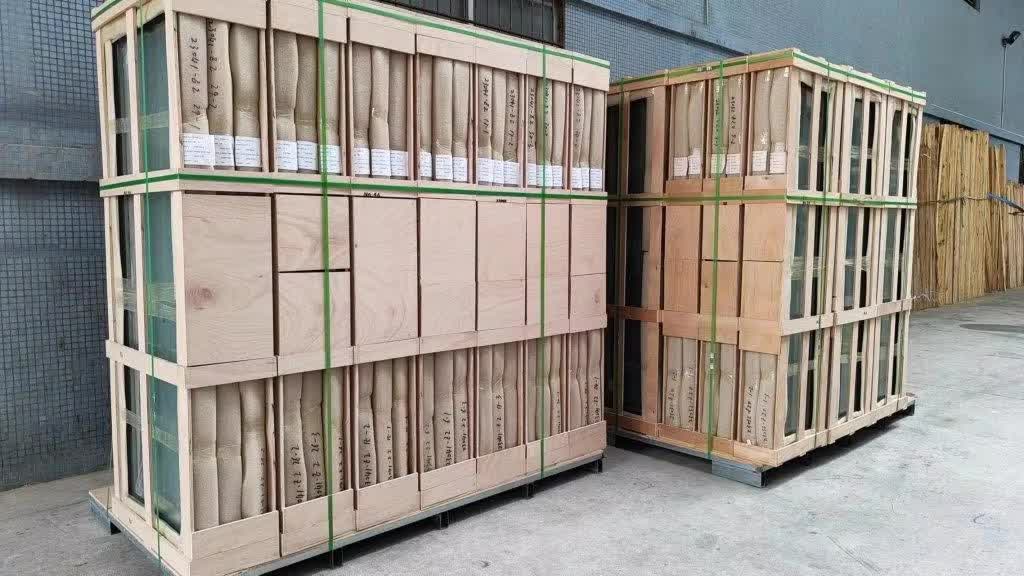
Packaging Wood Crates
Packing
Magella Storage and Loading
Export Shipping Readiness

Technical Roadmap & Future Outlook (2025-2030)

The laminated glass sector is advancing toward decarbonization, structural efficiency, and smart building integration. Magella's product engineering team monitors these innovations to support global developments:

  • Building-Integrated Photovoltaics (BIPV): Laminated glass panels featuring embedded photovoltaic cells inside the interlayer. This allows facade surfaces and glass canopies to generate green electricity while maintaining structural safety.
  • Electrochromic Smart Glass: Laminated units integrated with liquid crystal films or electrochromic layers that transition from clear to opaque. This replaces mechanical blinds, lowers cooling loads, and protects interior spaces from solar heat.
  • Ultra-Thin, Ultra-Strong Plies: Leveraging chemically strengthened glass substrates in laminated configurations. This reduces overall structural weight by up to 35% while exceeding standard mechanical load ratings.
  • Low-Carbon Interlayers: Sourcing bio-based PVB interlayers with reduced embodied carbon, helping projects meet LEED, BREEAM, and DGNB certifications.

Procurement & Engineering FAQ

Technical clarifications for facade engineers, developers, and sourcing managers.

Q1: How does laminated safety glass perform under extreme wind loads and windborne debris impact?
Laminated safety glass, particularly when using an ionoplast interlayer like SGP (SentryGlas), provides high resistance to windborne debris. Under impact, the outer glass ply may fracture, but the interlayer keeps the fragments bonded and maintains the building envelope. SGP offers high shear and flexural rigidity, allowing the laminated pane to withstand severe wind forces and negative pressures.
Q2: What options are available for combining privacy solutions with laminated glass?
Magella provides two main privacy solutions. The first is double-glazed units (DGUs) with integrated mechanical shutter/blind systems sealed inside the dry cavity, preventing dust build-up. The second is PDLC smart switchable glass laminated directly inside the unit, transitioning from translucent to clear via electrical control.
Q3: How does Magella integrate German hardware systems into Chinese profile designs?
We source hardware directly from leading German manufacturers (HOPPE, SIEGENIA AUBI, ROTO, KINLONG, BOGO, and OAOSM) and mill our aluminum profiles to match their European groove standards. This pairing combines local manufacturing efficiencies with German precision locks, rollers, and pivoting mechanisms.
Q4: What certifications do your laminated glass assemblies hold?
Our products meet international building codes. Glass fabrications comply with ANSI Z97.1 and SGCC for North America, CE EN 14449 / EN 12150 for Europe, and AS/NZS 2208 for Oceania. We provide comprehensive test reports and certification documentation with each commercial order.
Q5: How does the laminated construction help with soundproofing (Acoustic STC ratings)?
The elastomeric interlayer (PVB) acts as a dampening core that absorbs sound energy and breaks up critical resonance frequencies. Standard monolithic glass has a lower Sound Transmission Class (STC) because it vibrates uniformly. Standard laminated glass improves sound dampening, and using a specialized acoustic PVB core can increase performance by up to 3 to 5 dB.
Q6: What is the typical lead time for custom container orders of windows and doors?
Depending on configuration, typical factory fabrication cycles range from 30 to 45 days. This includes drawing approval, profile extrusion, tempering, lamination, hardware assembly, and export packaging testing. Standard transit times depend on the destination port.