When considering aluminum windows, one critical aspect stands out: sealing performance. Effective sealing ensures energy efficiency and moisture resistance. Homeowners often wonder how to judge the sealing performance of aluminum windows. This assessment involves various methods, each providing valuable insights into potential issues.
Proper sealing can prevent air leaks and water intrusion, contributing to the longevity of windows. However, many people are unaware of the key factors that influence sealing performance. An expert's guidance can make a significant difference. For instance, visual inspections can reveal gaps or deterioration. Testing the window's efficacy can also include pressure tests or thermal imaging.
Yet, even experienced professionals can overlook minor details. A slight misalignment or inadequate installation may compromise the seal. Regular evaluations and maintenance are crucial but often neglected. Understanding common sealing pitfalls is essential for ensuring windows function effectively. Ultimately, knowing how to judge the sealing performance of aluminum windows requires a blend of experience and attention to detail.
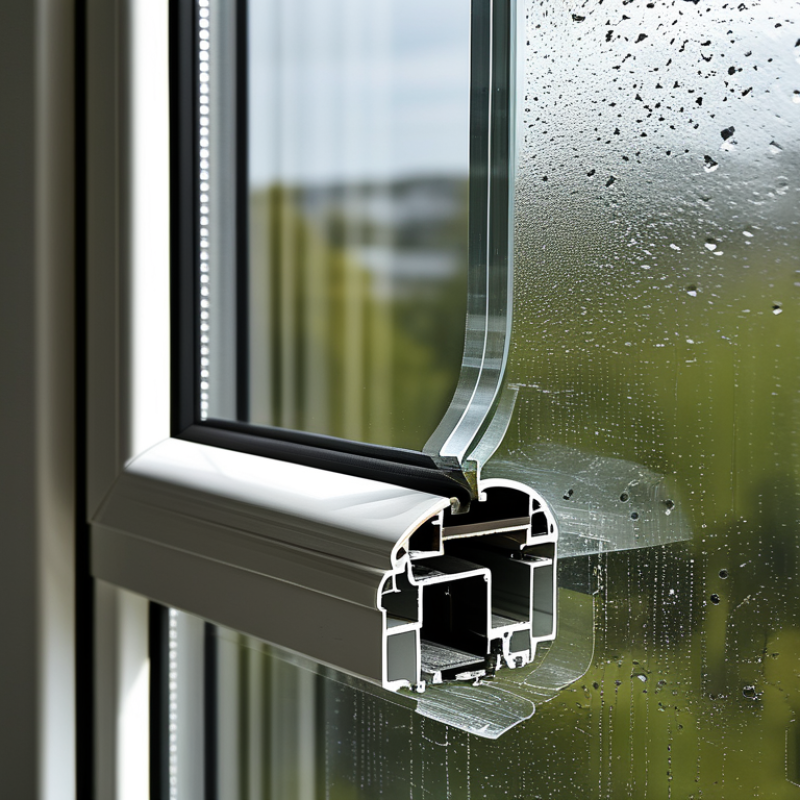
Assessing the sealing performance of aluminum windows is crucial for energy efficiency and indoor comfort. One effective method is to measure air leakage. Air leakage indicates how much air escapes or enters through windows. According to the American Society for Testing and Materials (ASTM), the air leakage rate can significantly impact heating and cooling costs.
Using a blower door test is a reliable way to evaluate air leakage. This method creates a pressure difference, revealing weak spots in the window seal. A study by the Department of Energy highlights that windows account for 25-30% of residential heating losses. Therefore, identifying leaks can lead to substantial energy savings.
Another measurement approach involves infrared thermography. This technique detects temperature differences around the windows. It can highlight areas where insulation is lacking, making it easier to improve sealing performance. However, interpreting thermographic images can be challenging and requires expertise.
Details matter in these assessments. Look for visible gaps, especially at corners and edges. Inspect the condition of seals; they can degrade over time. Routine checks should be a standard practice for homeowners and professionals alike. Regular maintenance enhances overall window efficiency and prolongs lifespan.
Awareness of potential shortcomings is essential. Sometimes, testing methods may overlook minor leaks. Therefore, a combination of techniques provides a comprehensive evaluation. This holistic approach ensures better accuracy in assessing aluminum window performance.
Evaluating water resistance in aluminum windows is crucial for ensuring longevity and performance. Water intrusion can lead to significant damage, both structurally and aesthetically. To assess sealing performance effectively, start with a visual inspection. Look for any noticeable gaps or wear in the seals. This simple step can often reveal potential problems before they escalate.
One common test is the water spray test. Using a controlled water source, spray water directly on the window seals. Observe any leaks that may occur. This method simulates real-world conditions and highlights weaknesses in sealing. It is easy to implement and provides immediate feedback on seal performance.
Another method involves monitoring indoor humidity levels. High humidity may indicate condensation issues linked to inadequate sealing. Maintaining proper atmospheric conditions can help you assess seal effectiveness over time. Regularly checking window seals ensures they perform as intended. Engaging in these evaluations can prevent costly repairs in the future and keep your home comfortable and secure.
Evaluating the thermal performance of sealed aluminum windows is essential for energy efficiency. Conducting thermal performance tests can provide crucial insights. A common method is the use of a thermal imaging camera. It identifies heat loss areas, helping to pinpoint inadequate seals. The images reveal temperature variations. Consequently, this method allows for immediate corrective actions.
Another effective approach involves using a blower door test. This test measures air leakage rates. By creating a negative pressure, it reveals how much air escapes or enters the building. High leakage rates indicate poor sealing performance. Addressing these issues can lead to improved indoor comfort and energy savings.
When assessing windows, consider their U-factor and solar heat gain coefficient (SHGC). The U-factor indicates insulation quality, while SHGC measures solar heat absorption. A low U-factor and an appropriate SHGC enhance performance in various climates. Be mindful that performance can vary widely. Regular assessments help maintain optimal function over time. Be prepared to rethink your strategies based on these evaluations.
| Test Method | Description | Importance Level | Recommended Frequency |
|---|---|---|---|
| Air Leakage Test | Measures the amount of air that can pass through the window frame. | High | Annually |
| Water Penetration Test | Evaluates the resistance to water leakage under specified pressures. | High | Every 3 years |
| Thermal Conductivity Test | Assesses how well the window insulates against heat transfer. | Medium | Every 5 years |
| Condensation Resistance Test | Measures the window's ability to resist condensation. | Medium | Every 3 years |
| Sound Transmission Class (STC) Test | Tests the sound insulation performance of the window. | Low | As needed |
| Impact Resistance Test | Checks the window's durability against impact forces. | High | Every 5 years |
| Structural Performance Test | Determines the structural integrity under wind loads. | High | Every 5 years |
| Frame Deflection Test | Evaluates how much the window frame bends under load. | Medium | Every 5 years |
| Fastener Pull-Out Test | Tests the strength of fasteners used in installation. | Medium | As needed |
Visual inspections play a crucial role in assessing the sealing performance of aluminum windows. Inspectors should focus on areas where the frame meets the glazing. Look for gaps or cracks that may indicate seal failures. The National Fenestration Rating Council reports that improper sealing can lead to energy loss of up to 30%. Therefore, addressing these issues promptly is essential.
During your inspections, pay attention to discoloration or water stains around the window edges. These signs may point to leaks or moisture buildup. Additionally, check for peeling paint or warped frames, which can compromise the integrity of the seal. Consistent maintenance measures lead to improved performance and longevity of windows.
Performing regular inspections can identify potential issues early. Inspectors often overlook minor defects that could become significant problems later. Observing patterns in sealing failures can help improve future installations. Be aware that even the best materials can deteriorate over time. Regular assessments ensure that windows effectively seal against air and water, enhancing energy efficiency and comfort.
Assessing the sealing performance of aluminum windows is crucial for energy efficiency and durability. One effective method involves pressure testing techniques. By simulating real-world weather conditions, these tests help identify any weaknesses in seals. These techniques can uncover leaks that may not be visible during a standard inspection.
For accurate results, perform the pressure test on a day with minimal wind. High winds can interfere with the readings. Be thorough in your approach; each corner and edge may possess hidden vulnerabilities. Use a calibrated pressure gauge to get precise measurements of any variations in air pressure.
Another aspect to consider is the sealing material itself. Different materials react uniquely under pressure. Some may show deterioration over time, affecting overall performance. Regular assessments can reveal these changes, allowing homeowners to take proactive measures. Document your findings to establish a baseline for future evaluation. This ongoing attention promotes better sealing and enhances energy efficiency in the long run.
: Measuring air leakage helps assess energy efficiency and improves indoor comfort.
A blower door test creates a pressure difference to find weak spots in window seals.
Air leakage can account for significant heating losses, impacting overall energy expenses.
It detects temperature differences around windows to highlight insulation issues.
Check for gaps, especially at corners and edges, and inspect the condition of seals.
A water spray test involves showering seals with water to reveal any leaks.
High indoor humidity levels may suggest condensation problems related to seal performance.
Some methods may overlook small leaks, which can affect assessment accuracy.
Routine checks on window seals can help maintain performance and prevent issues.
Using a combination of techniques provides a more accurate assessment of window performance.
Assessing the sealing performance of aluminum windows is crucial for ensuring energy efficiency and comfort in buildings. To effectively evaluate how to judge the sealing performance of aluminum windows, various methods can be employed. These include measuring air leakage, which can reveal potential drafts, and conducting water resistance tests to ensure that seals prevent moisture ingress.
Additionally, thermal performance tests are essential to understand the insulation properties of the windows. Visual inspections for seal integrity allow for the detection of any visible defects, while pressure testing techniques provide a more rigorous assessment of the seals under different conditions. By combining these methods, one can achieve a comprehensive evaluation of aluminum window sealing performance.

Magella Door